
Nthia gali
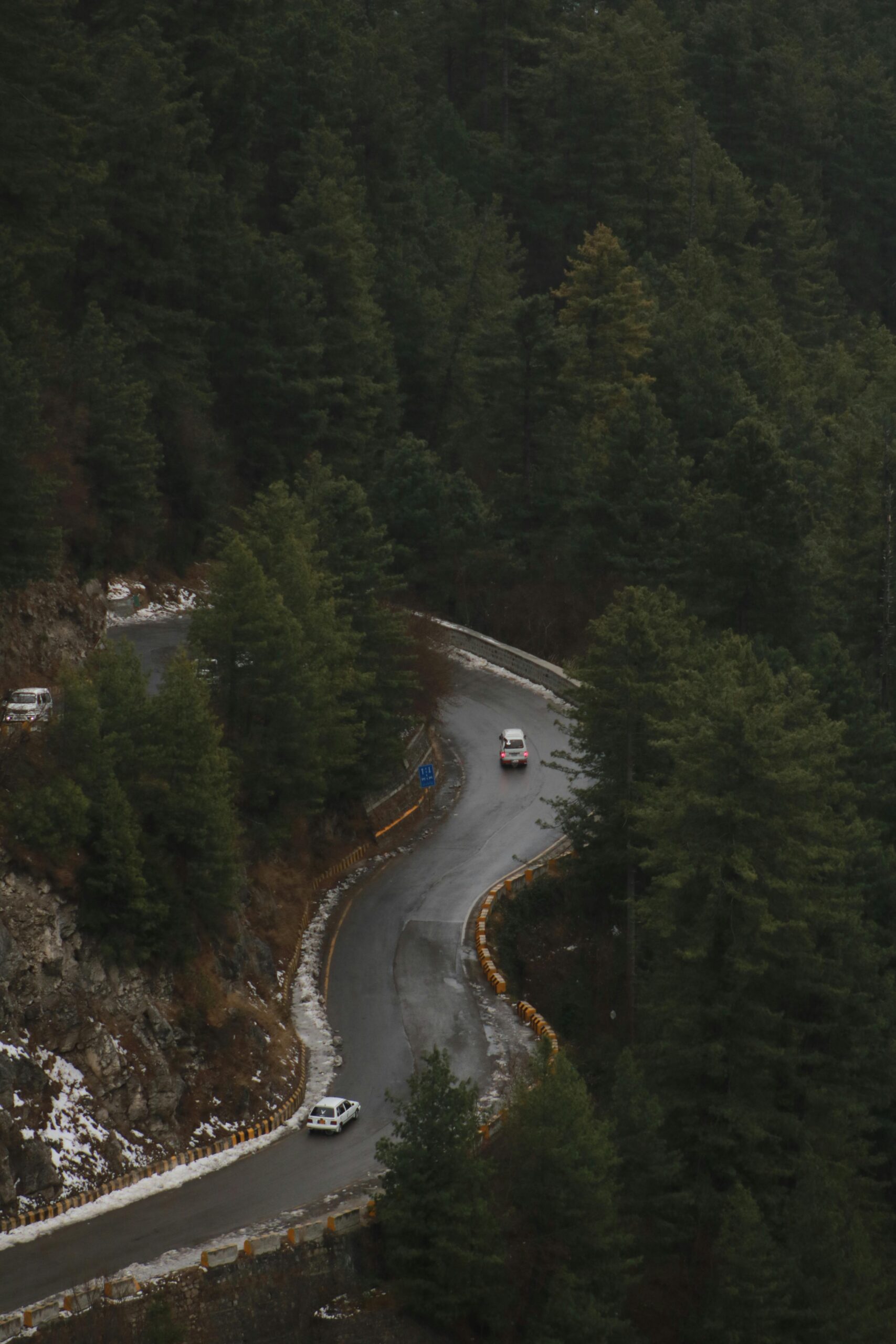
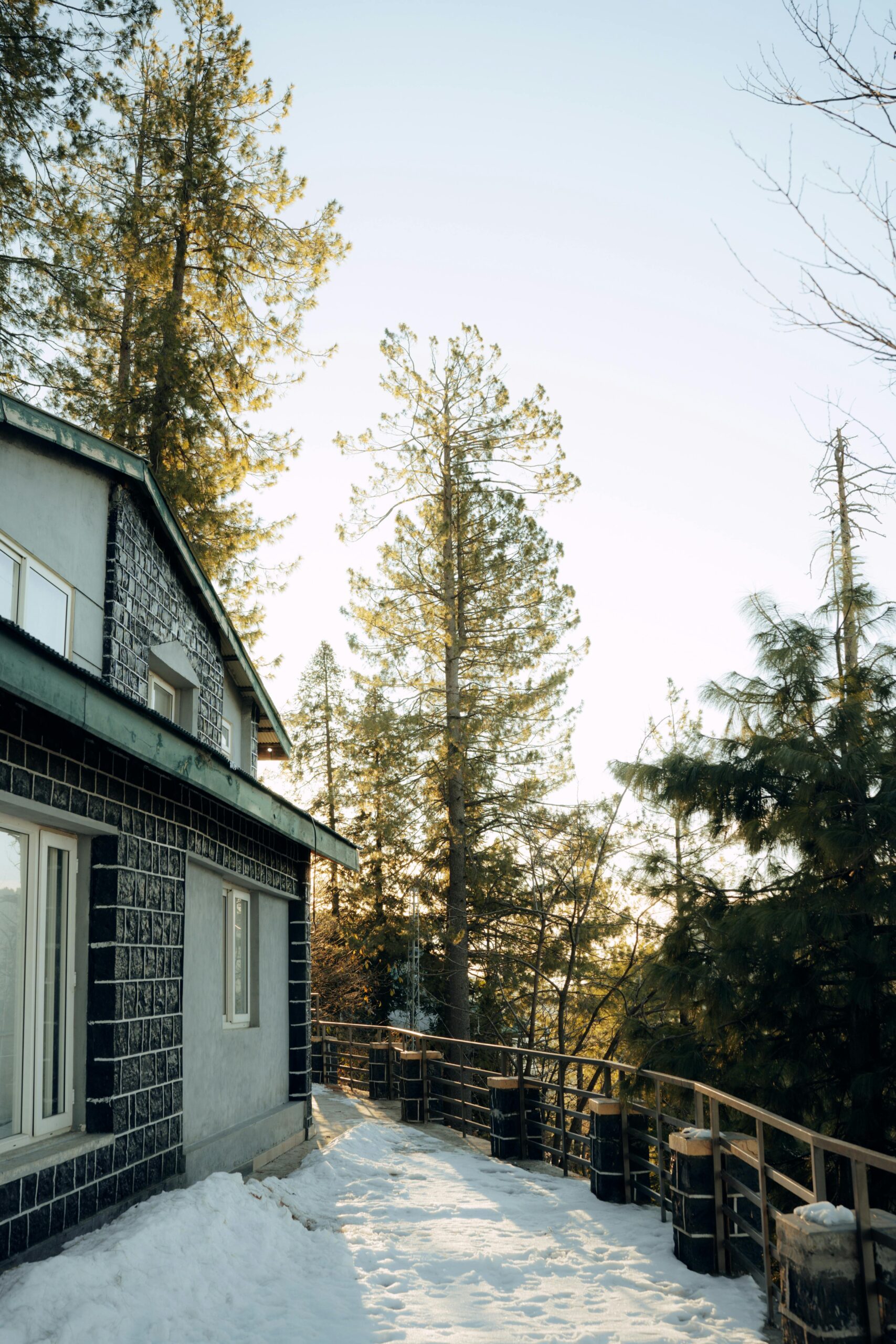
Far from the noise of the city, nestled among pine-clad hills and cool, misty breezes, lies Nathia Gali — a place that feels more like a gentle sigh of relief than a destination. It’s not just a getaway; it’s a quiet escape where the air is fresher, the views are wider, and every walk feels like a soft conversation with nature.
Whether you’re wandering through fragrant pine forests, sipping hot chai as clouds roll by, or trekking up to viewpoints that leave you breathless in the best way, Nathia Gali invites you to slow down and simply feel.
It’s perfect for those who crave a mix of light adventure and peaceful moments — families, honeymooners, or anyone needing a break from life’s rush.
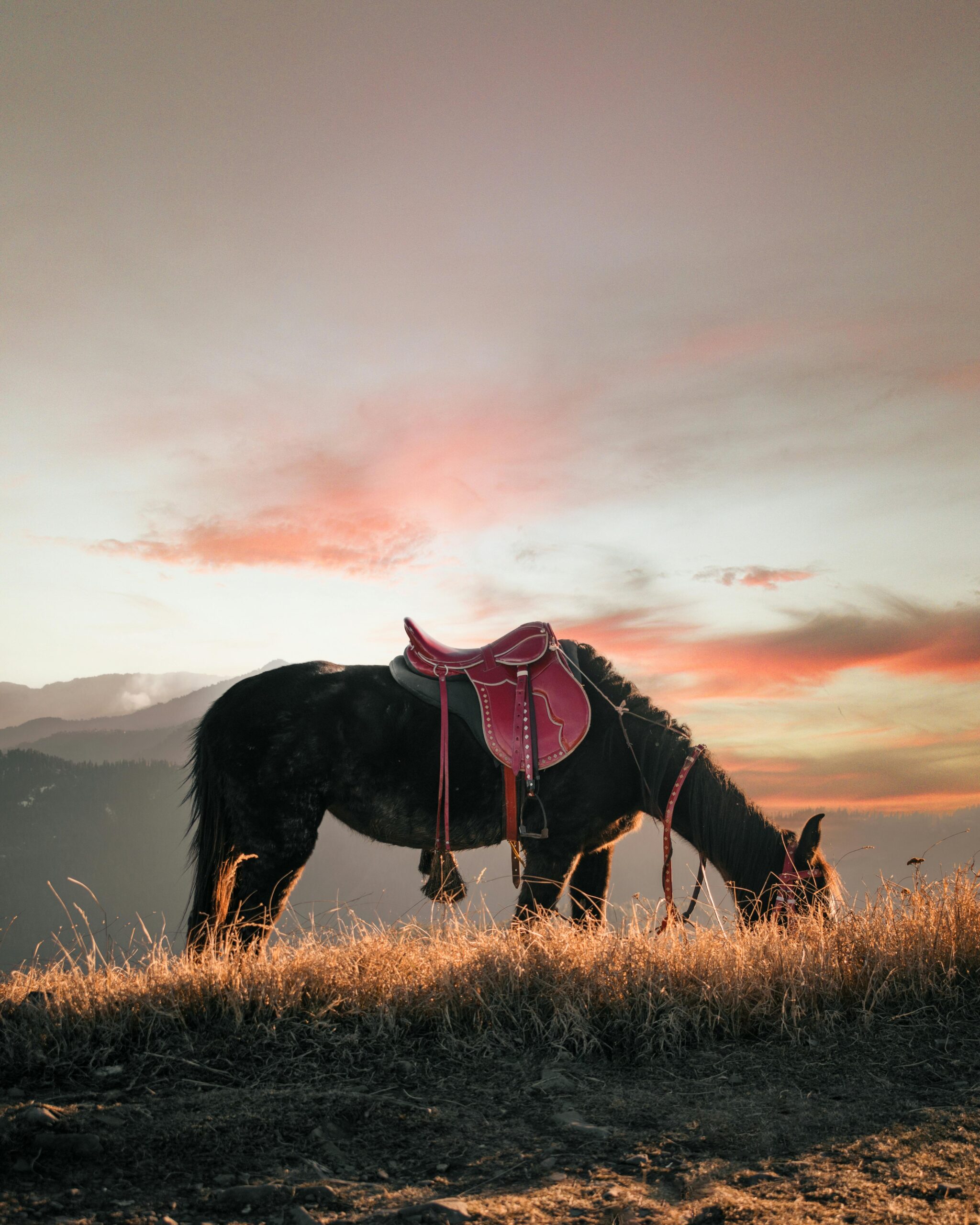
Here, every path feels like a story waiting to be walked, and every sunset feels personal. Nathia Gali isn’t a place you visit once — it’s a feeling you’ll want to return to, over and over again.
hiking
It starts quietly — the soft zip of your jacket, the cool breath of dawn on your face, and a mountain trail winding ahead like a story you’ve just begun to read.
In Hunza, hiking isn’t about conquering peaks. It’s about letting go. With every step, you leave behind the weight of the world — the noise, the rush, the endless scroll. Out here, it’s just you, the earth beneath your boots, and a sky so wide it makes your heart ache a little.
The path winds through old apricot trees, across wooden bridges that creak with memory, and into valleys so still you can hear your thoughts settle. Locals pass by with a nod or a warm “hello,” reminding you that you’re a guest in their paradise. The wind carries the scent of pine and stone. The sun peeks over Ultar Sar like it’s smiling just for you.
You climb. You breathe. You pause — not because you’re tired, but because the view steals your words. A glacial stream. A prayer flag fluttering. A silence that heals.
Kayaking
Kayaking is the use of a kayak for moving across water. It is distinguished from canoeing by the sitting position of the paddler and the number of blades on the paddle. A kayak is a low-to-the-water, canoe-like boat in which the paddler sits facing forward, legs in front, using a double-bladed paddle to pull front-to-back on one side and then the other in rotation. Most kayaks have closed decks, although sit-on-top and inflatable kayaks are growing in popularity as well.
Kayaks were created thousands of years ago by the Inuit, formerly known as Eskimos, of the northern Arctic regions. They used driftwood and sometimes the skeleton of whale, to construct the frame of the kayak, and animal skin, particularly seal skin was used to create the body. The main purpose for creating the kayak, which literally translates to “hunter’s boat” was for hunting and fishing. The kayak’s stealth capabilities, allowed for the hunter to sneak up behind animals on the shoreline, and successfully catch their prey. By the mid-1800s the kayak became increasingly popular and the Europeans became interested. German and French men began kayaking for sport. In 1931, a man named Adolf Anderle became the first person to kayak down the Salzachofen Gorge, this is where the birthplace of modern-day white-water kayaking is believed to have begun. Kayak races were introduced in the Berlin Olympic Games in 1936.
In the 1950s fiberglass kayaks were developed and commonly used, until 1980s when polyethylene plastic kayaks came about. Kayaking progressed as a fringe sport in the U.S. until the 1970s, when it became a mainstream popular sport. Now, more than 10 white water kayaking events are featured in the Olympics.While kayaking represents a key international watersport, few academic studies have been conducted on the role kayaking plays in the lives and activities of the public .
Peak Climbing
A climbing peak may refer to a mountain or hill peak or a rock formation that has to be ascended by climbing. The term is common in Germany where it is specifically used of free-standing rock formations in the climbing regions of Saxon Switzerland, Zittau Mountains and other nearby ranges in the German Central Uplands that can only be summitted via climbing routes of at least grade I on the UIAA scale or by jumping from nearby rocks or massifs. As a general rule, they must have a topographic prominence of at least 10 metres to qualify. In Saxon Switzerland the Saxon Climbing Regulations do not require any minimum height, but define climbing peaks as
Another requirement is its recognition by the responsible sub-committee of the Saxon Climbers’ Federation (SBB) and the responsible conservation authorities. For hikers these authorized summits may often be recognised by the presence of a summit register and abseiling anchor points.
In other climbing areas, such as those in Bohemian Switzerland, there are other exceptions. There, climbing peaks only need to have a significant rock face – the lowest side of which has to be less than 10 m high, but at least 6 m high.
Road Cycling
Road cycling is the most widespread form of cycling. It includes recreational, racing, and utility cycling. Road cyclists are generally expected to obey the same rules and laws as other vehicle drivers or riders and may also be vehicular cyclists.
Dedicated road bicycles have drop handlebars and multiple gears, although there are single and fixed gear varieties. Road bikes also use narrow, high-pressure tires to decrease rolling resistance, and tend to be somewhat lighter than other types of bicycle. The drop handlebars are often positioned lower than the saddle in order to put the rider in a more aerodynamic position. In an effort to become more aerodynamic, some riders have begun using aerobars. Who and when aerobars where invented is unclear but they seem to date back to the early 1980s. The light weight and aerodynamics of a road bike allows this type of bicycle to be the second most efficient self-powered means of transportation, behind only recumbent bicycles due to the latter’s higher aerodynamic efficiency.