
Pakistan
Pakistan is not just a country — it’s a feeling, a journey through nature, culture, and untold stories.
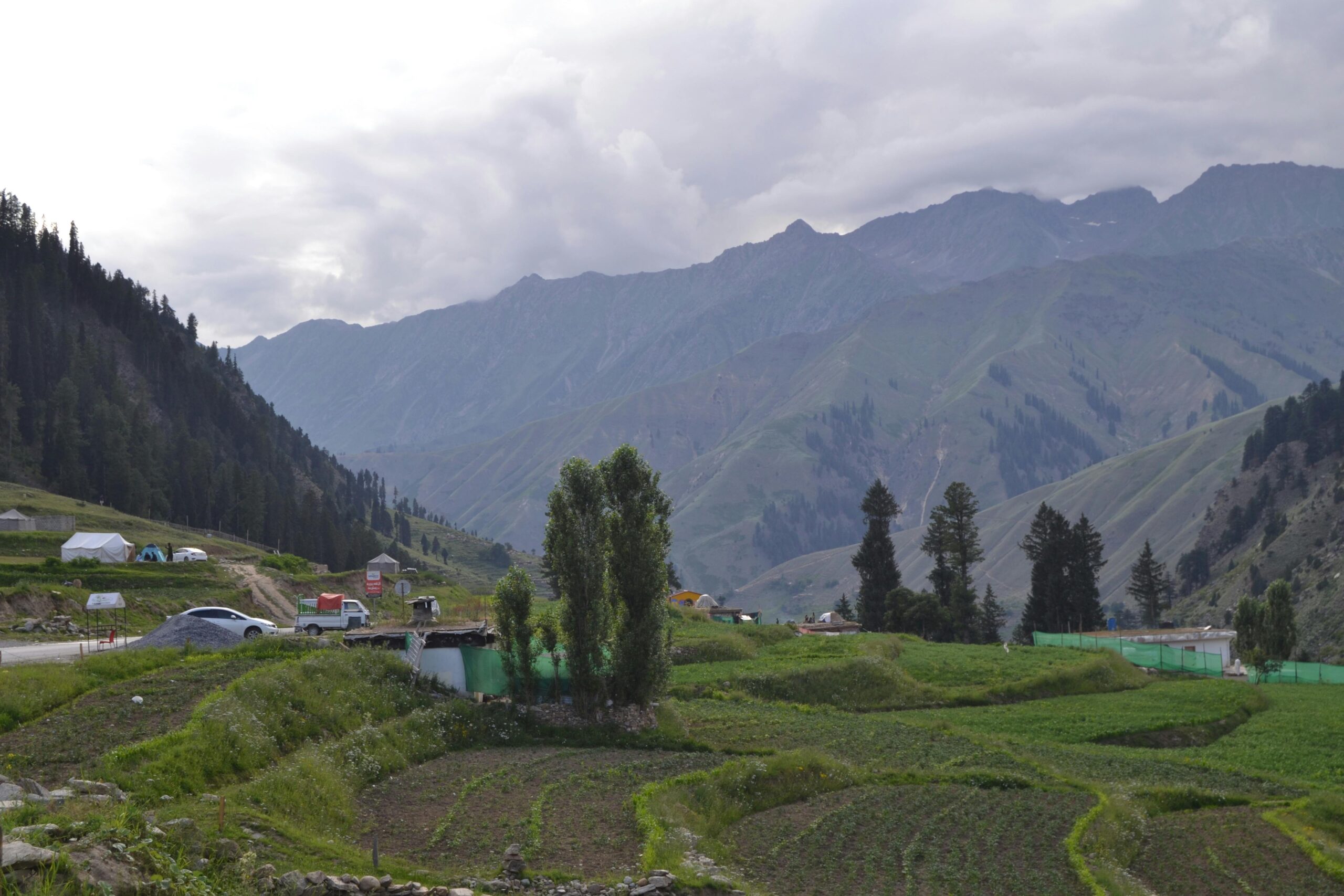
From mighty mountains to golden deserts, Pakistan is where landscapes change, but hospitality stays the same.
Every road in Pakistan leads to a new adventure — and every stop feels like home.
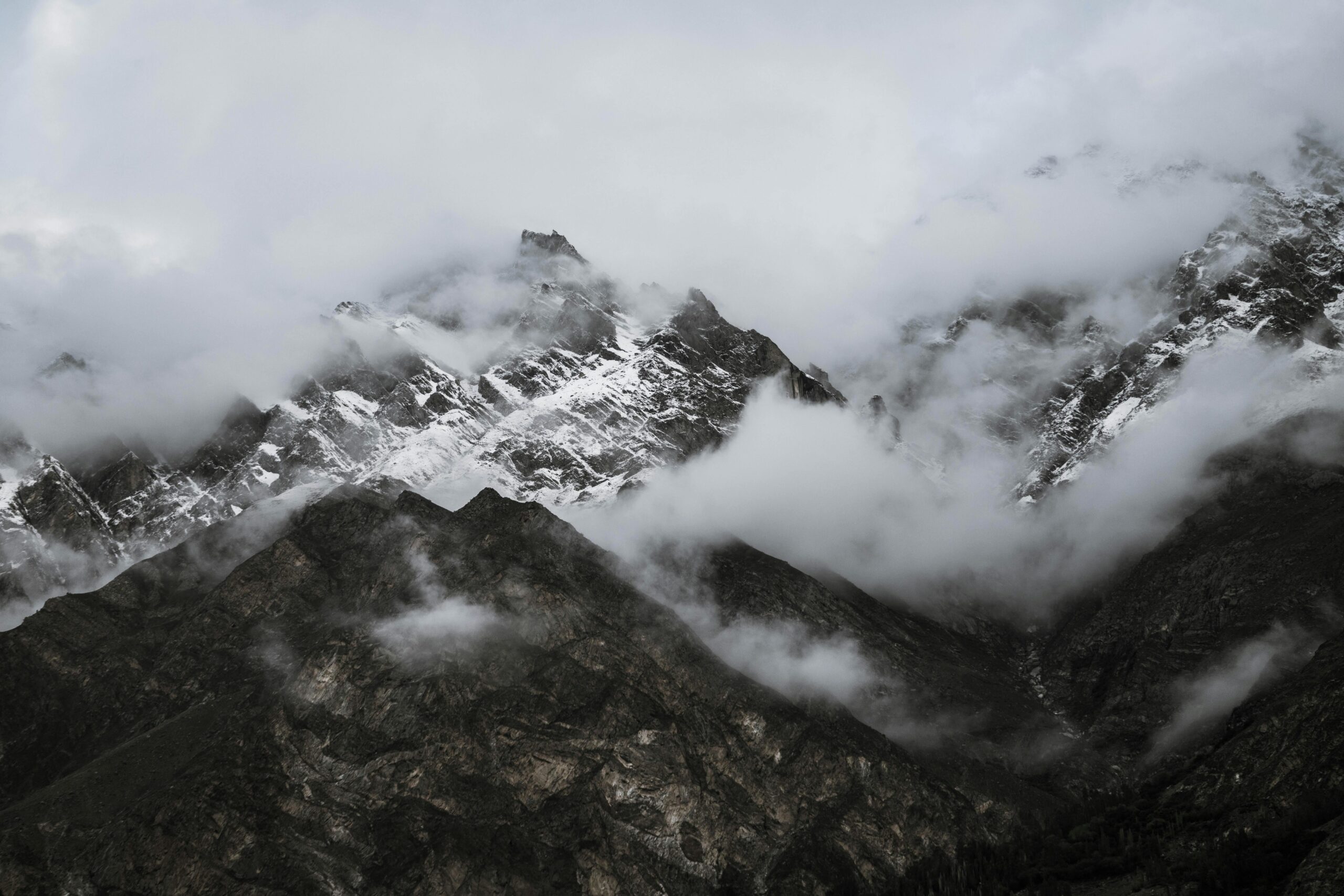
Pakistan is where the world’s highest peaks touch the skies, and the warmest hearts welcome you below.
In Pakistan, history isn’t trapped in museums — it lives in forts, valleys, and the tales of its people.
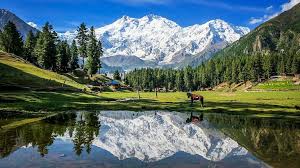
From the vibrant streets of Lahore to the peaceful lakes of Skardu, Pakistan’s beauty is breathtaking and real.
If you’re looking for raw beauty, rich traditions, and genuine human connection — Pakistan is your next destination.
Pakistan is a canvas painted with snow, sand, rivers, and culture — a place that leaves you with stories worth sharing.
Adventure, peace, history, or food — whatever kind of traveler you are, Pakistan has something for you.
Come to Pakistan not just to see places, but to feel them — in every smile, every meal, every sunset.
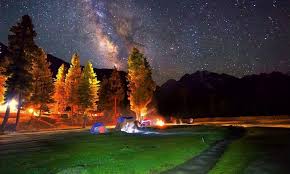
camping
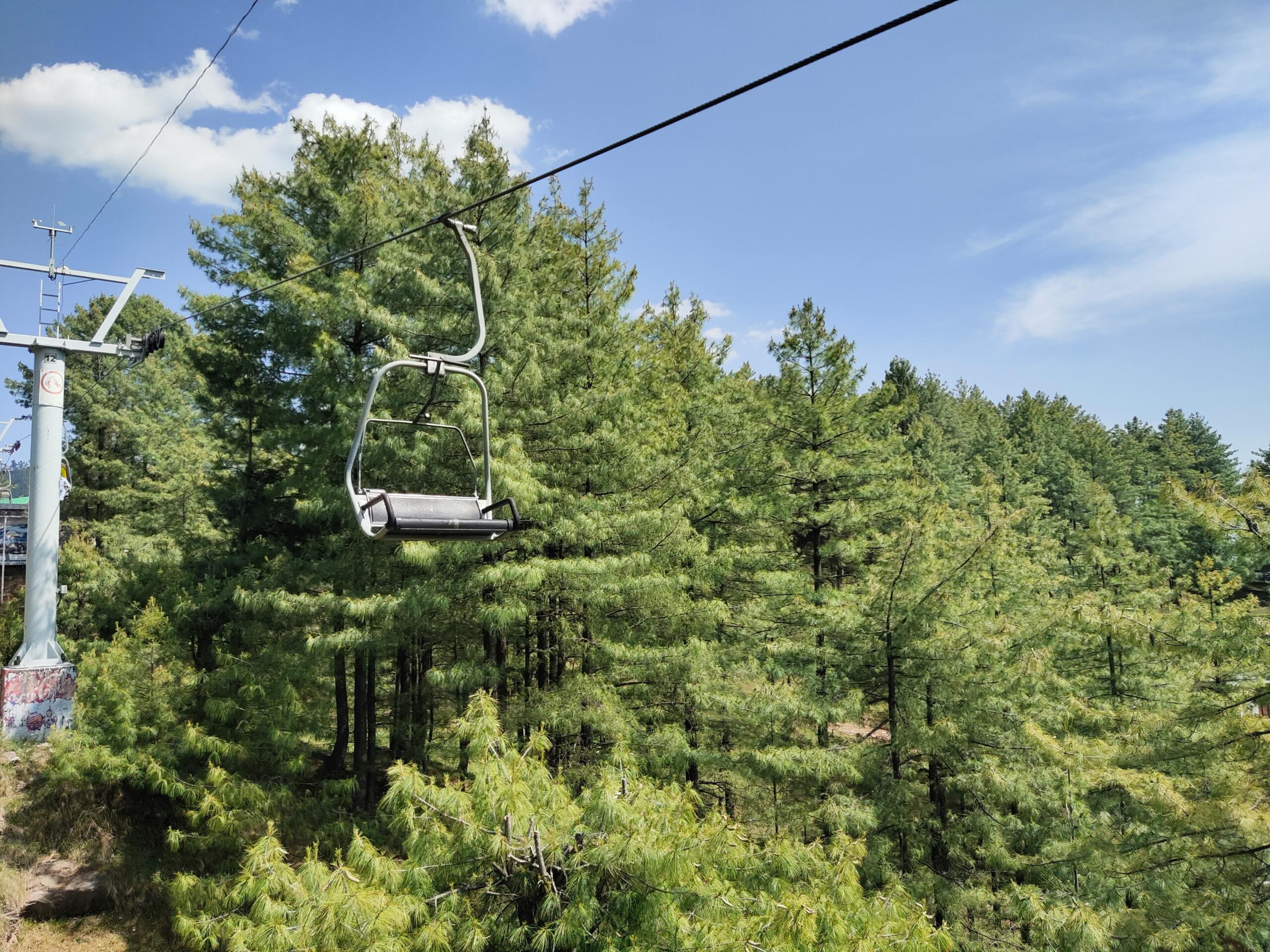
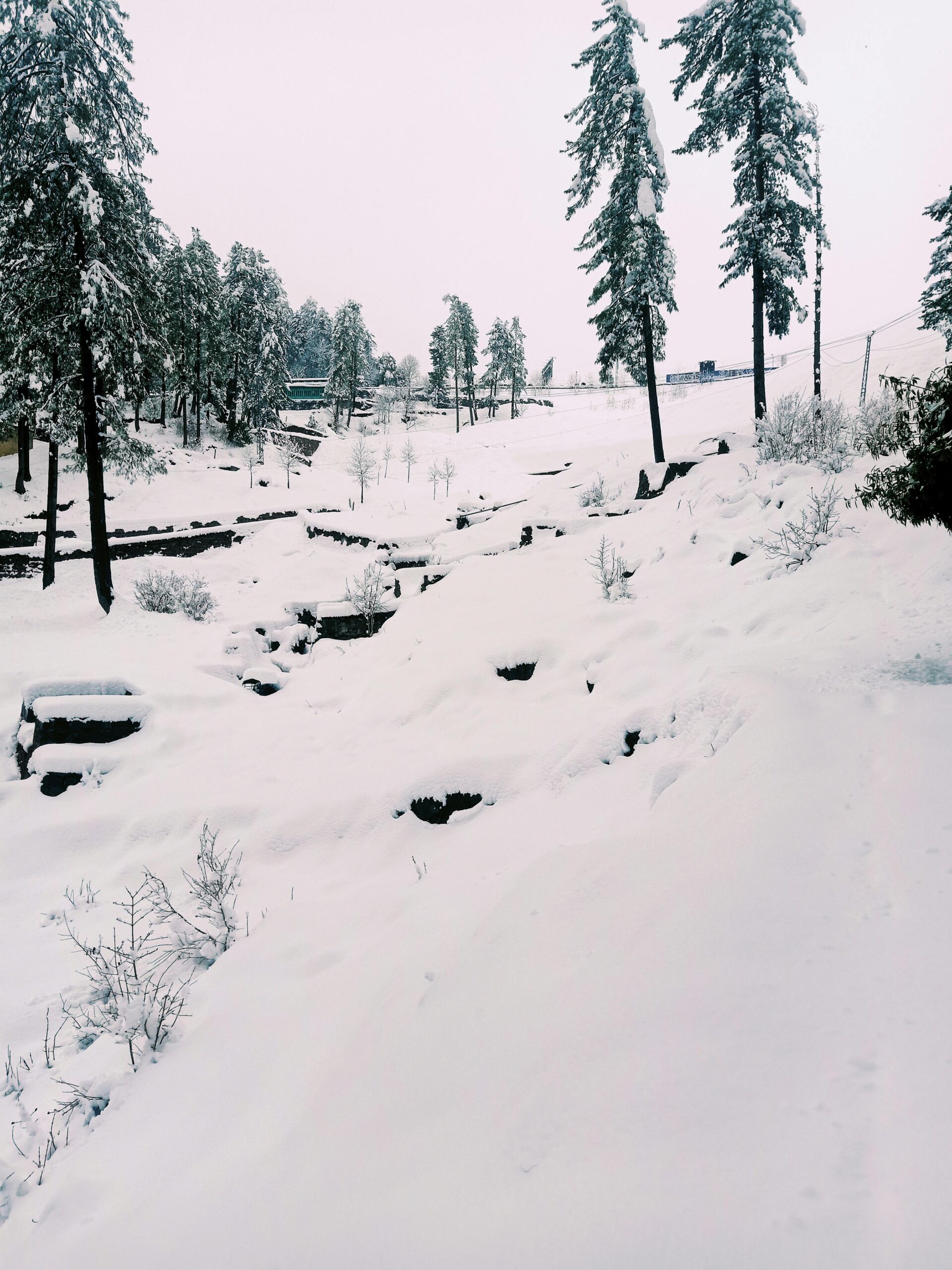
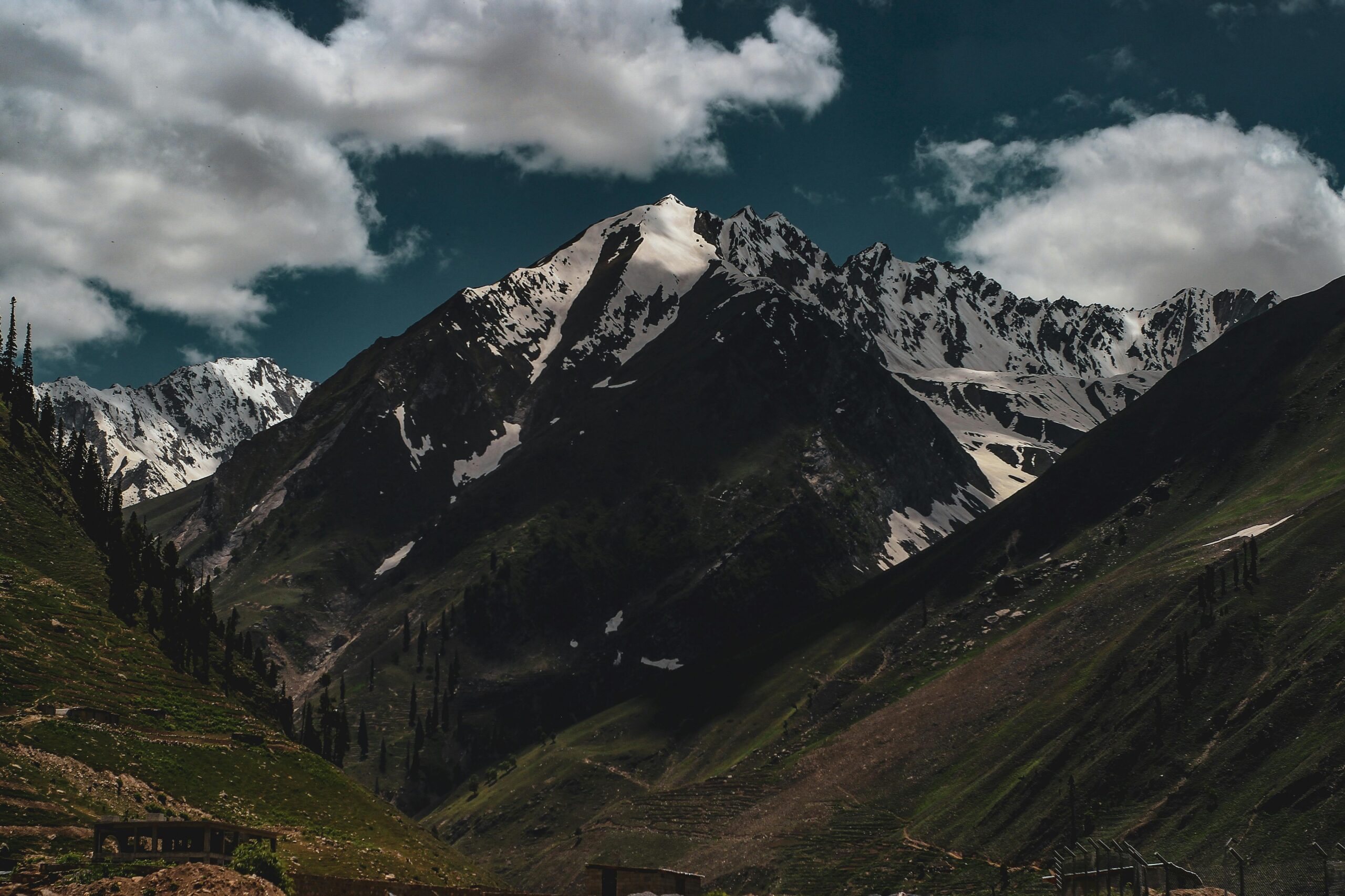

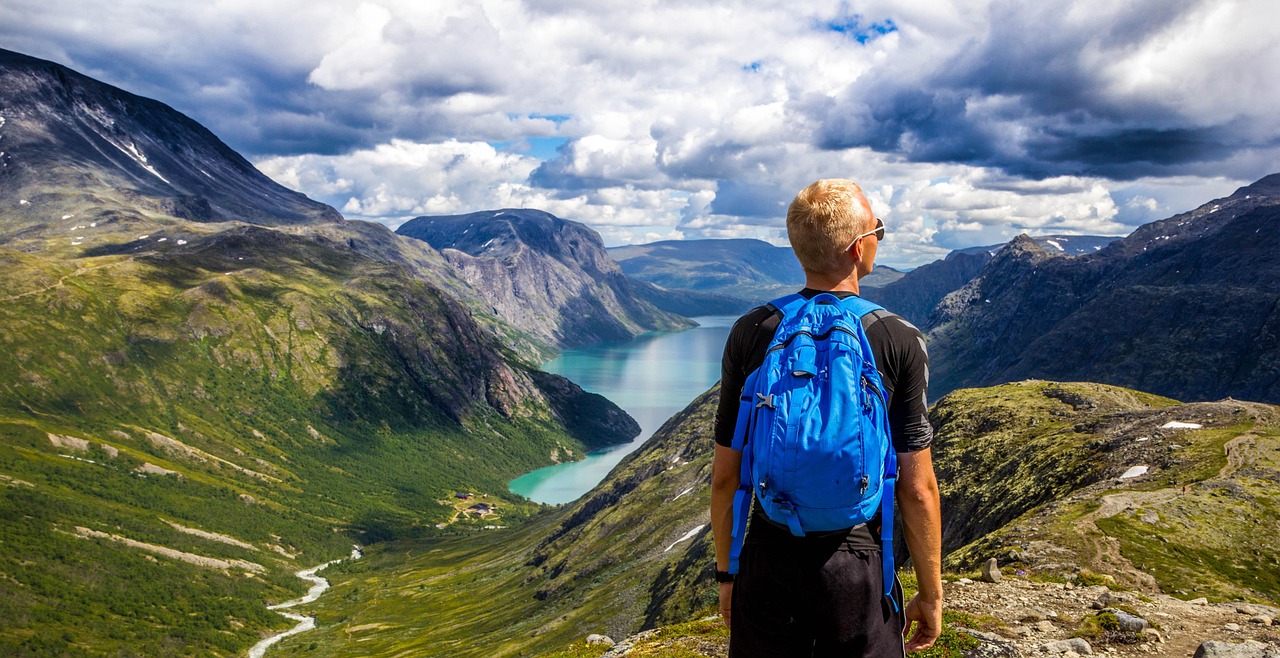
Cultural Tours
Tourism is travel for pleasure or business; also the theory and practice of touring, the business of attracting, accommodating, and entertaining tourists, and the business of operating tours. Tourism may be international, or within the traveller’s country. The World Tourism Organization defines tourism more generally, in terms which go “beyond the common perception of tourism as being limited to holiday activity only”, as people “traveling to and staying in places outside their usual environment for not more than one consecutive year for leisure, business and other purposes”.
Tourism can be domestic or international, and international tourism has both incoming and outgoing implications on a country’s balance of payments. Today, tourism is a major source of income for many countries, and affects the economy of both the source and host countries, in some cases being of vital importance.
hiking
It starts quietly — the soft zip of your jacket, the cool breath of dawn on your face, and a mountain trail winding ahead like a story you’ve just begun to read.
In Hunza, hiking isn’t about conquering peaks. It’s about letting go. With every step, you leave behind the weight of the world — the noise, the rush, the endless scroll. Out here, it’s just you, the earth beneath your boots, and a sky so wide it makes your heart ache a little.
The path winds through old apricot trees, across wooden bridges that creak with memory, and into valleys so still you can hear your thoughts settle. Locals pass by with a nod or a warm “hello,” reminding you that you’re a guest in their paradise. The wind carries the scent of pine and stone. The sun peeks over Ultar Sar like it’s smiling just for you.
You climb. You breathe. You pause — not because you’re tired, but because the view steals your words. A glacial stream. A prayer flag fluttering. A silence that heals.
Jungle Safari
A is an overland journey, usually a trip by tourists to Africa. In the past, the trip was often a big-game hunt, but today, safari often refers to trips to observe and photograph wildlife—or hiking and sightseeing, as well.
The Swahili word safari means journey, originally from the Arabic meaning a journey; the verb for “to travel” in Swahili is kusafiri. These words are used for any type of journey, e.g. by bus from Nairobi to Mombasa or by ferry from Dar es Salaam to Unguja. Safari entered the English language at the end of the 1850s thanks to Richard Francis Burton, the famous explorer.
The Regimental March of the King’s African Rifles was ‘Funga Safari’, literally ‘tie up the March’, or, in other words, pack up equipment ready to march.
In 1836 William Cornwallis Harris led an expedition purely to observe and record wildlife and landscapes by the expedition’s members. Harris established the safari style of journey, starting with a not too strenuous rising at first light, an energetic day walking, an afternoon rest then concluding with a formal dinner and telling stories in the evening over drinks and tobacco.
Kayaking
Kayaking is the use of a kayak for moving across water. It is distinguished from canoeing by the sitting position of the paddler and the number of blades on the paddle. A kayak is a low-to-the-water, canoe-like boat in which the paddler sits facing forward, legs in front, using a double-bladed paddle to pull front-to-back on one side and then the other in rotation. Most kayaks have closed decks, although sit-on-top and inflatable kayaks are growing in popularity as well.
Kayaks were created thousands of years ago by the Inuit, formerly known as Eskimos, of the northern Arctic regions. They used driftwood and sometimes the skeleton of whale, to construct the frame of the kayak, and animal skin, particularly seal skin was used to create the body. The main purpose for creating the kayak, which literally translates to “hunter’s boat” was for hunting and fishing. The kayak’s stealth capabilities, allowed for the hunter to sneak up behind animals on the shoreline, and successfully catch their prey. By the mid-1800s the kayak became increasingly popular and the Europeans became interested. German and French men began kayaking for sport. In 1931, a man named Adolf Anderle became the first person to kayak down the Salzachofen Gorge, this is where the birthplace of modern-day white-water kayaking is believed to have begun. Kayak races were introduced in the Berlin Olympic Games in 1936.
In the 1950s fiberglass kayaks were developed and commonly used, until 1980s when polyethylene plastic kayaks came about. Kayaking progressed as a fringe sport in the U.S. until the 1970s, when it became a mainstream popular sport. Now, more than 10 white water kayaking events are featured in the Olympics.While kayaking represents a key international watersport, few academic studies have been conducted on the role kayaking plays in the lives and activities of the public .
Paragliding
Paragliding is the recreational and competitive adventure sport of flying paragliders: lightweight, free-flying, foot-launched glider aircraft with no rigid primary structure. The pilot sits in a harness suspended below a fabric wing comprising a large number of interconnected baffled cells. Wing shape is maintained by the suspension lines, the pressure of air entering vents in the front of the wing, and the aerodynamic forces of the air flowing over the outside.
Despite not using an engine, paraglider flights can last many hours and cover many hundreds of kilometers, though flights of one to two hours and covering some tens of kilometers are more the norm. By skillful exploitation of sources of lift, the pilot may gain height, often climbing to altitudes of a few thousand meters.
Peak Climbing
A climbing peak may refer to a mountain or hill peak or a rock formation that has to be ascended by climbing. The term is common in Germany where it is specifically used of free-standing rock formations in the climbing regions of Saxon Switzerland, Zittau Mountains and other nearby ranges in the German Central Uplands that can only be summitted via climbing routes of at least grade I on the UIAA scale or by jumping from nearby rocks or massifs. As a general rule, they must have a topographic prominence of at least 10 metres to qualify. In Saxon Switzerland the Saxon Climbing Regulations do not require any minimum height, but define climbing peaks as
Another requirement is its recognition by the responsible sub-committee of the Saxon Climbers’ Federation (SBB) and the responsible conservation authorities. For hikers these authorized summits may often be recognised by the presence of a summit register and abseiling anchor points.
In other climbing areas, such as those in Bohemian Switzerland, there are other exceptions. There, climbing peaks only need to have a significant rock face – the lowest side of which has to be less than 10 m high, but at least 6 m high.
River Rafting
An adventure is an exciting or unusual experience. It may also be a bold, usually risky undertaking, with an uncertain outcome.Adventures may be activities with some potential for physical danger such as traveling, exploring, skydiving, mountain climbing, scuba diving, river rafting or participating in extreme sports.
The term also broadly refers to any enterprise that is potentially fraught with physical, financial or psychological risk, such as a business venture, or other major life undertakings.
Road Cycling
Road cycling is the most widespread form of cycling. It includes recreational, racing, and utility cycling. Road cyclists are generally expected to obey the same rules and laws as other vehicle drivers or riders and may also be vehicular cyclists.
Dedicated road bicycles have drop handlebars and multiple gears, although there are single and fixed gear varieties. Road bikes also use narrow, high-pressure tires to decrease rolling resistance, and tend to be somewhat lighter than other types of bicycle. The drop handlebars are often positioned lower than the saddle in order to put the rider in a more aerodynamic position. In an effort to become more aerodynamic, some riders have begun using aerobars. Who and when aerobars where invented is unclear but they seem to date back to the early 1980s. The light weight and aerodynamics of a road bike allows this type of bicycle to be the second most efficient self-powered means of transportation, behind only recumbent bicycles due to the latter’s higher aerodynamic efficiency.
Skiing
Skiing can be a means of transport, a recreational activity or a competitive winter sport in which the participant uses skis to glide on snow. Many types of competitive skiing events are recognized by the International Olympic Committee (IOC), and the International Ski Federation (FIS).
Skiing has a history of almost five millennia. Although modern skiing has evolved from beginnings in Scandinavia, it may have been practiced more than 100 centuries ago in what is now China, according to an interpretation of ancient paintings.
The word “ski” is one of a handful of words Norway has exported to the international community. It comes from the Old Norse word “skíð” which means “split piece of wood or firewood”.
skydiving
You don’t remember the moment your feet leave the plane.
You remember the feeling — your heart in your throat, the wind in your face, and the world suddenly dropping away beneath you.
And then… silence.
For a second, it’s just you and the sky — wide, wild, and endless. You’re not falling. You’re floating through freedom. The mountains of Skardu stretch below like giants in prayer, their snow-covered peaks glowing in the sun. Lakes shimmer like mirrors to the sky. The sand of the cold desert glows golden. Everything is still. Everything is alive.
You’ve never felt so small… and so unshakably free.
When the parachute opens, it’s not a jolt. It’s a soft pull. Like the sky catching you gently, like it knew you’d be afraid — and it held you anyway. You’re gliding now. Breathing. Smiling. You see the world differently. You feel yourself differently.